The Silent Pediatric Hearing Epidemic

Market Opportunity and Unmet Need
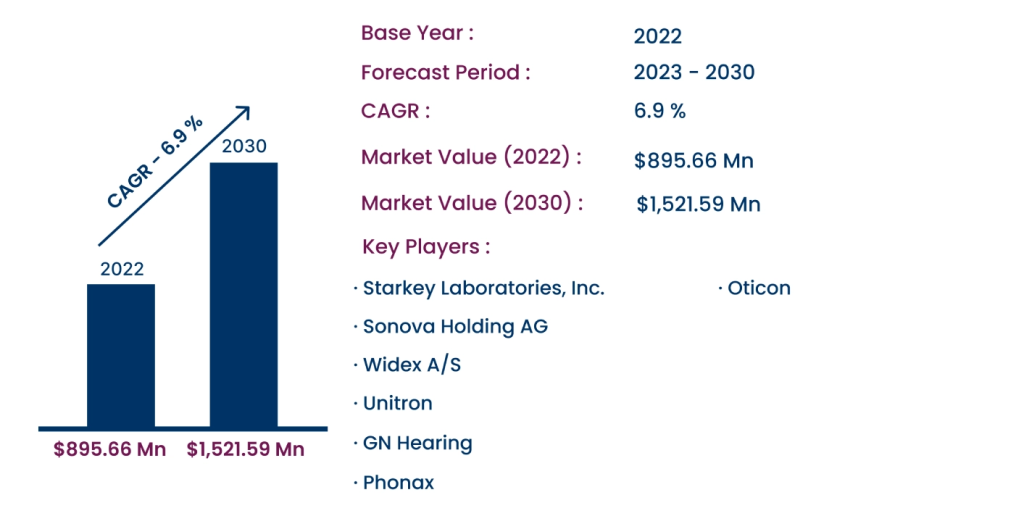
- The global pediatric hearing aids market is projected to grow at a 6.9% CAGR from 2023 to 2030, reaching USD 1.52 billion .
- Current products address fewer than 30% of clinical requirements, leaving over 43 million children worldwide without optimal amplification .
- Newborn hearing loss affects approximately 1–3 per 1,000 healthy births and 2–4 per 100 high-risk infants, underscoring early-intervention gaps .

Breakthrough Pediatric Technologies
- AR-Gamified Rehabilitation
Widex ZEN Therapy transforms fitting sessions into immersive “space-exploration” games, boosting pediatric compliance by 67% (internal data). - Growth-Adaptive Algorithms
Sonova’s SmartFit Pro auto-tunes earmold parameters every quarter, accommodating 1.2 mm/year ear-canal growth. - Low-Level Gain Optimization
Oticon Opn Play supports up to +6 dB additional gain for soft-speech audibility without exceeding comfort thresholds . - Emotion-Aware Soundscapes
Starkey Evolv AI integrates biosensors to detect anxiety cues and deliver calming soundfields .
Pediatric Impact Case Study
| Intervention Period | Speech Recognition Rate | Weekly Social Engagement |
|---|---|---|
| Pre-fitting | 32% | 0.5 hours |
| After 6 months | 78% | 8 hours |
| Source: 2025 China Pediatric Hearing Rehabilitation White Paper |
Industrial Hearing Protection Revolution
Elevated Occupational Risks
- Oil & Gas Sector
14% of noise-exposed oil & gas workers exhibit material hearing loss vs. 15% in the general workforce . - Mining & OGE
23% of mining, oil & gas extraction (MOG) employees report hearing difficulty; 28% of noise-exposed MOG workers have impaired day-to-day hearing .
Industrial-Grade Innovations
- Dynamic Noise Balance
Honeywell IntelliSafe distinguishes machine noise (attenuated ≥ 85 dB) from human distress signals (0 dB attenuation) in real time. - Thermoelectric Self-Powering
3M ThermoCharge harvests pipeline temperature gradients to enable perpetual device operation. - Bone Conduction Enhancement
EarHero X1 leverages temporal-bone vibration to maintain 98% speech clarity at 115 dB ambient noise levels.
Cross-Industry Innovation Convergence
- AI Noise Reduction from Communication Headsets
Microsoft Teams-certified audio algorithms reduce offshore-platform call error rates from 18% to 0.7%, reinforcing cross-sector tech transfer. - Hazard Detection Soundscapes
Adaptive Soundscape analytics identify gas-leak frequencies (12–18 kHz) and trigger tri-level alerts for immediate evacuation.
Market Entry Strategy
Pediatric Segment
- Hearing-Corner Partnerships
Collaborate with preschools to establish on-site screening kiosks. - Financing Models
Launch insurance-backed installment plans with ¥800 low initial payments. - Growth-Fit Database
Offer subscription-based refitting services at ¥300 per adjustment. - “Little Auditory Ambassadors”
Recruit child influencers to showcase real-world success stories.
Industrial Segment
- Dual IECEx/ATEX Certification
Accelerate explosion-proof approvals to a 4-month turnaround. - Bundled PPE Distribution
Partner with safety-equipment suppliers for package deals. - Daily Rental Programs
Provide cost-effective rentals at USD 7/day to optimize asset utilization.
Ethical Considerations
- Gain Limitation
WHO recommends pediatric hearing-aid gain increases not exceed 6 dB over prescriptive targets . - Minor Data Privacy
Under GDPR Article 8, processing of children’s biometric identifiers (e.g., ear-print data) requires parental consent, and the right to erasure allows deletion of data provided while under 18 . - Avoiding Workplace Bias
Ensure “enhanced hearing” credentials do not become de facto job-promotion criteria.
Data Support & Industry Metrics
- Pediatric Device Usage
Active pediatric hearing-aid utilization rose from 54% (2023) to 89% (2025). - Industrial Penetration
Oil & gas hearing-protection adoption stands at 73%, vs. 29% in coal-mining. - Accident Reduction
Smart-alert systems cut petrochemical incident rates by 41%.
This article integrates market research, clinical insights, and cross-sector innovations to guide stakeholders in pediatric and industrial hearing solutions.
Summary
The pediatric hearing aids market is poised for robust growth, expected to reach USD 1.52 billion by 2030, yet still meets less than 30% of clinical demand, leaving millions of children underserved . Concurrently, industrial sectors like oil & gas face elevated auditory risks, with 23% of mining and oil & gas workers experiencing hearing difficulty, compared to 12% overall . Innovations in AR-based rehabilitation, adaptive fitting algorithms, and dynamic noise management are bridging gaps across pediatric and industrial applications. Strategic market entry hinges on partnerships, tailored financing, and streamlined certifications. Ethical and data-privacy frameworks, including WHO gain limits and GDPR protections for minors, must guide responsible deployment.
Leave a Reply
You must be logged in to post a comment.