Rechargeable vs Disposable Battery Hearing Aids: Which One Suits You?

Choosing the power source for a hearing aid isn’t just about convenience—it can affect your daily routine, long-term costs, and even environmental footprint. At Blue Deer, we understand that every user is unique, so let’s break down the benefits and trade-offs between rechargeable and disposable battery hearing aids to help you make an informed decision.


The Case for Rechargeable Hearing Aids

image
  1. Convenience & Ease of Use
    Instead of changing tiny batteries, users simply place their hearing aids in a charger overnight—much like their smartphones. This is especially helpful for people with dexterity challenges. (Healthy Hearing, The ENT Center of Central Georgia)
  2. Consistent, Reliable Power
    Rechargeables deliver stable performance throughout the day, avoiding the gradual volume drop-off common with disposable batteries. (Audibel Hearing Center, A&A Audiology)
  3. Long-Term Cost Savings
    Although the upfront cost may be higher, rechargeable models eliminate recurring battery purchases—potentially saving substantial money over the life of the aid. (听力顾问, 俄勒冈耳鼻喉中心)
  4. Eco-Friendly Choice
    Fewer discarded batteries mean less waste. Rechargeables often use lithium-ion cells that last years before replacing—and are typically recyclable. (Healthy Hearing, A&A Audiology)
  5. Added Safety
    Rechargeable hearing aids don’t involve loose button batteries—reducing risks, especially around children or pets. (Healthy Hearing)

Why Disposable Battery Hearing Aids Still Matter

image 1 1024x683
  1. Universal Availability
    Disposable batteries can be purchased almost anywhere—from convenience stores to pharmacies—offering quick power when needed. (助听器论坛, Miracle Ear)
  2. No Dependence on Power/Charger
    In power outages or during travel, disposable options ensure uninterrupted use even without access to charging facilities. (助听器论坛, My Hearing Centers)
  3. Simplicity & Familiarity
    For many, replacing a battery is a straightforward and trusted routine without changes to daily habits. (助听器论坛, Lake Medical Hearing)

A Balanced View

Every option comes with trade-offs:

  • Rechargeable pros: great daily routine alignment, long-term savings, and eco-friendly.
  • Rechargeable cons: requires nightly charging and access to power, battery degradation over years. (My Hearing Centers, The ENT Center of Central Georgia)
  • Disposable pros: flexibility, ease, and no charger dependency.
  • Disposable cons: recurring costs, less environmentally friendly, and may be hard to handle for users with fine motor limitations. (Miracle Ear, Happy Ears Hearing Center)
image 1 2 1024x683

Where Blue Deer Fits In

10001 1024x1024
BD-B102

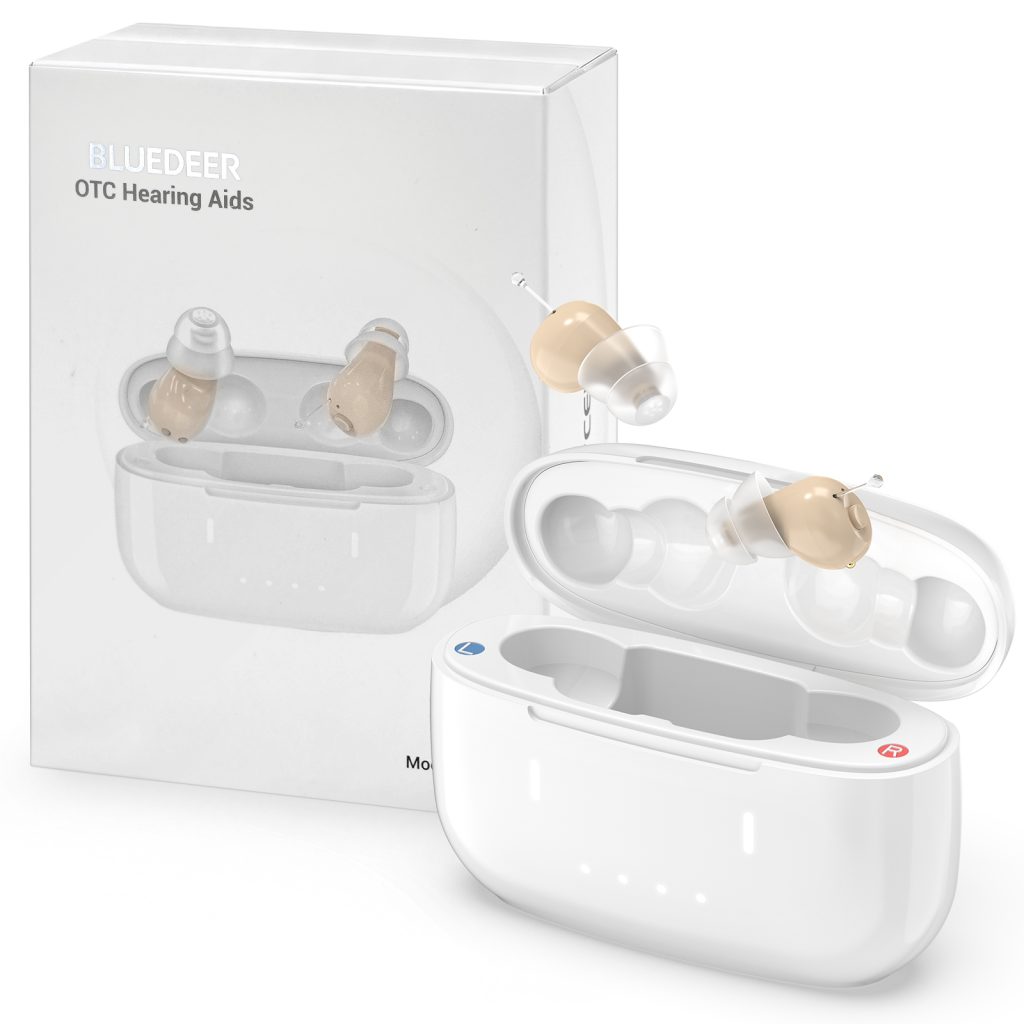
At Blue Deer, we’re committed to tailoring technology to your lifestyle. Here’s how our rechargeable models elevate your experience:

  • Smart charging routines: Designed for seamless overnight recharging—wake up every day powered up.
  • Durability & trust: With batteries designed to last several years, you’ll enjoy reliability without compromise.
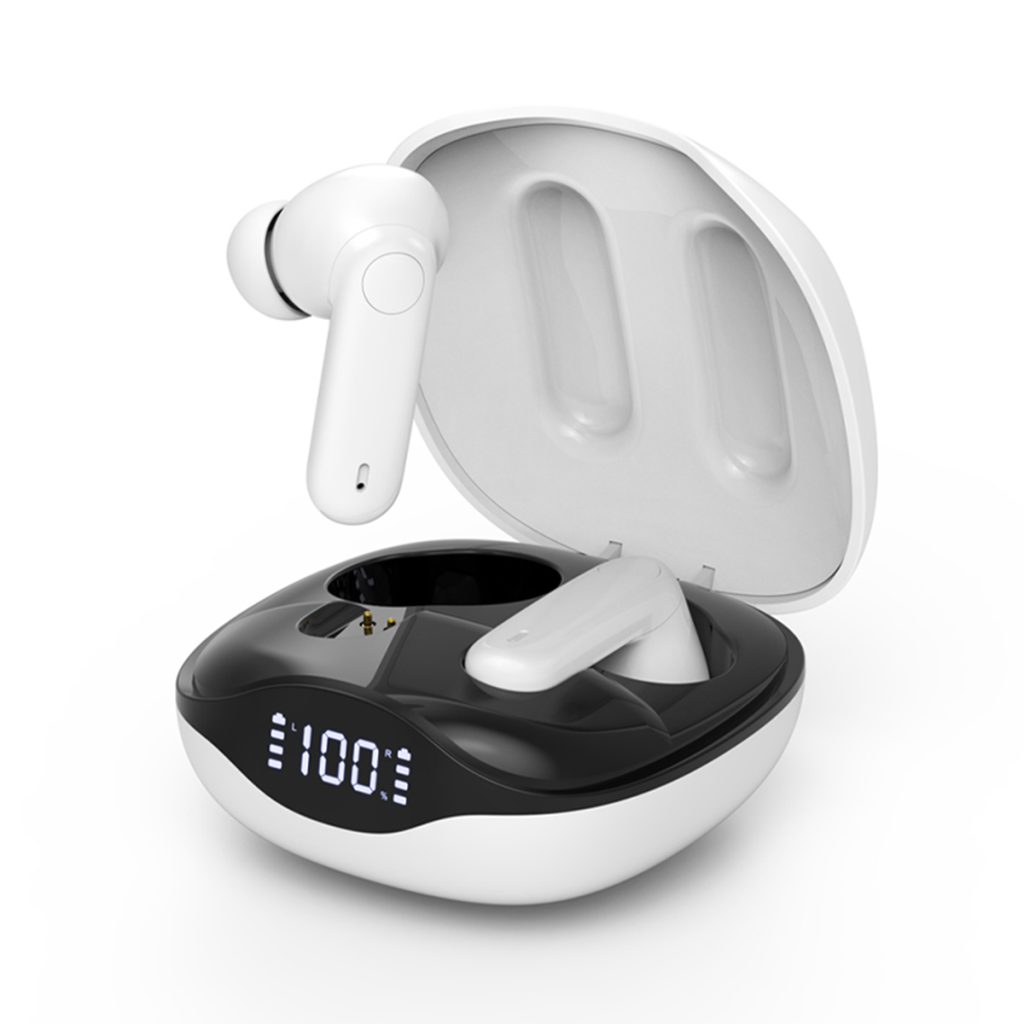
  • User-focused design: Ergonomic charging cases make handling easier for all users, including those with limited dexterity.
  • Eco-conscious choice: By opting for Blue Deer rechargeables, you join us in reducing environmental waste—while saving money.

Final Thoughts

Choosing between rechargeable and disposable battery hearing aids isn’t one-size-fits-all—it depends on your daily habits, mobility, travel routine, and values. While rechargeable aids score high on convenience, consistency, and sustainability, disposables shine in flexibility and low-tech simplicity.

At Blue Deer, we believe the best hearing experience comes from solutions that align with your life—and our rechargeable models are designed to do just that. Let us help you hear better, live smarter, and stay connected.


Let me know if you’d like to include FAQs, a product comparison table, or a visual guide to power choices!

正在促销的产品

More Posts