
Why Do Some People Say It Works and Others Say It Doesn’t?
Why does bone conduction work for some people and not others? Usually it comes down to fit, expectations, and setting — here is a 3-step check.

For decades, hearing aids were viewed as bulky, beige devices—more medical necessity than personal accessory. While these devices transformed the lives of millions, they often came with an unintended side effect: social stigma. Many people, especially younger users, avoid wearing hearing aids not because they don’t need them, but because they don’t want to be seen wearing them.
Today, this is changing. Brands like Blue Deer are redefining hearing aids—not only as advanced medical tools but also as stylish, discreet, and empowering lifestyle devices.

The stigma surrounding hearing aids is well-documented. Research from the International Journal of Audiology found that negative stereotypes—such as “hearing aids make you look old” or “you must have serious hearing problems”—discourage many from seeking help until their hearing loss becomes severe (ncbi.nlm.nih.gov).
Even in countries with high awareness, the average delay between noticing hearing problems and getting a hearing aid is 7 to 10 years (who.int). In that time, untreated hearing loss can harm relationships, job performance, and mental health.

The design of a hearing aid directly influences whether people are comfortable wearing it in public. A 2020 study found that discreet, modern-looking devices increased user acceptance, particularly among first-time wearers (hear-it.org).
At Blue Deer, we believe hearing aids should inspire confidence—not embarrassment. Our design philosophy blends medical-grade technology with modern aesthetics, so users can wear them proudly.
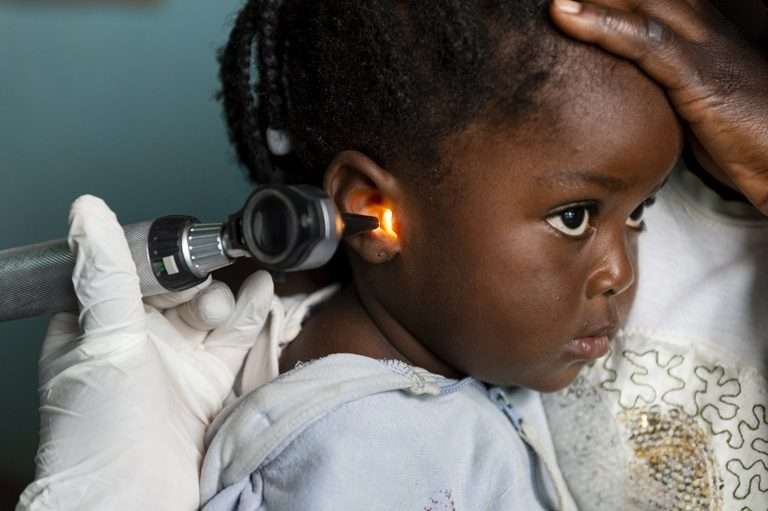
The stigma problem doesn’t just hurt feelings—it delays treatment. According to the Hearing Loss Association of America, untreated hearing loss is linked to higher risks of depression, cognitive decline, and even heart disease (hearingloss.org).
By making hearing aids visually appealing and socially acceptable, we can encourage earlier adoption—leading to better health outcomes and improved quality of life.
The future of hearing health isn’t just about better sound—it’s about better perception. When style and technology meet, barriers fall. Blue Deer is proud to be part of this movement, proving that hearing aids can be as fashionable as they are functional.
Because good hearing should never come with bad stigma.
References

F2H Bone Conduction Sound Amplifier helps you hear conversations clearly while staying comfortable, aware, and connected to the world around you.
Why does bone conduction work for some people and not others? Usually it comes down to fit, expectations, and setting — here is a 3-step check.
Why must bone conduction sit against your ear? Because it sends sound through bone, not air — and a gap breaks the signal. Here’s the simple test.
Hearing aids whistling? Here’s what causes hearing aid feedback — from a loose fit to earwax buildup — and practical fixes that may quiet it down.
Learn how to clean and maintain your hearing aids with this complete guide — a 5-minute daily routine, a weekly deep clean, and care tips for bone conduction and rechargeable models.