




Why Do Some People Say It Works and Others Say It Doesn’t?
Why does bone conduction work for some people and not others? Usually it comes down to fit, expectations, and setting — here is a 3-step check.


Hearing loss rarely happens overnight. For most people, it’s a gradual change—missed words in conversations, asking others to repeat themselves, or turning up the volume just a little more each month. Yet despite these early signs, many people wait seven to ten years before getting their first hearing aids.
At BlueDeer, we’ve seen this hesitation countless times—and we know the cost of waiting goes far beyond missing a few sounds. Here’s why so many people delay seeking help, and why taking action early can make all the difference.

Hearing loss can be hard to accept because it often feels like an admission of aging or weakness. Many people tell themselves, “It’s not that bad,” or “Everyone mumbles these days.” This denial is deeply human—but it’s also one of the biggest barriers to better hearing.
Studies by the National Institute on Deafness and Other Communication Disorders (NIDCD) show that nearly 28 million Americans could benefit from hearing aids, yet fewer than 30% of adults over 70 actually use them. Early acceptance is key: acknowledging hearing loss doesn’t make you old—it makes you proactive.
For decades, hearing aids were seen as bulky, beige, and obvious. That stigma still lingers today, especially among younger users or professionals who fear judgment.
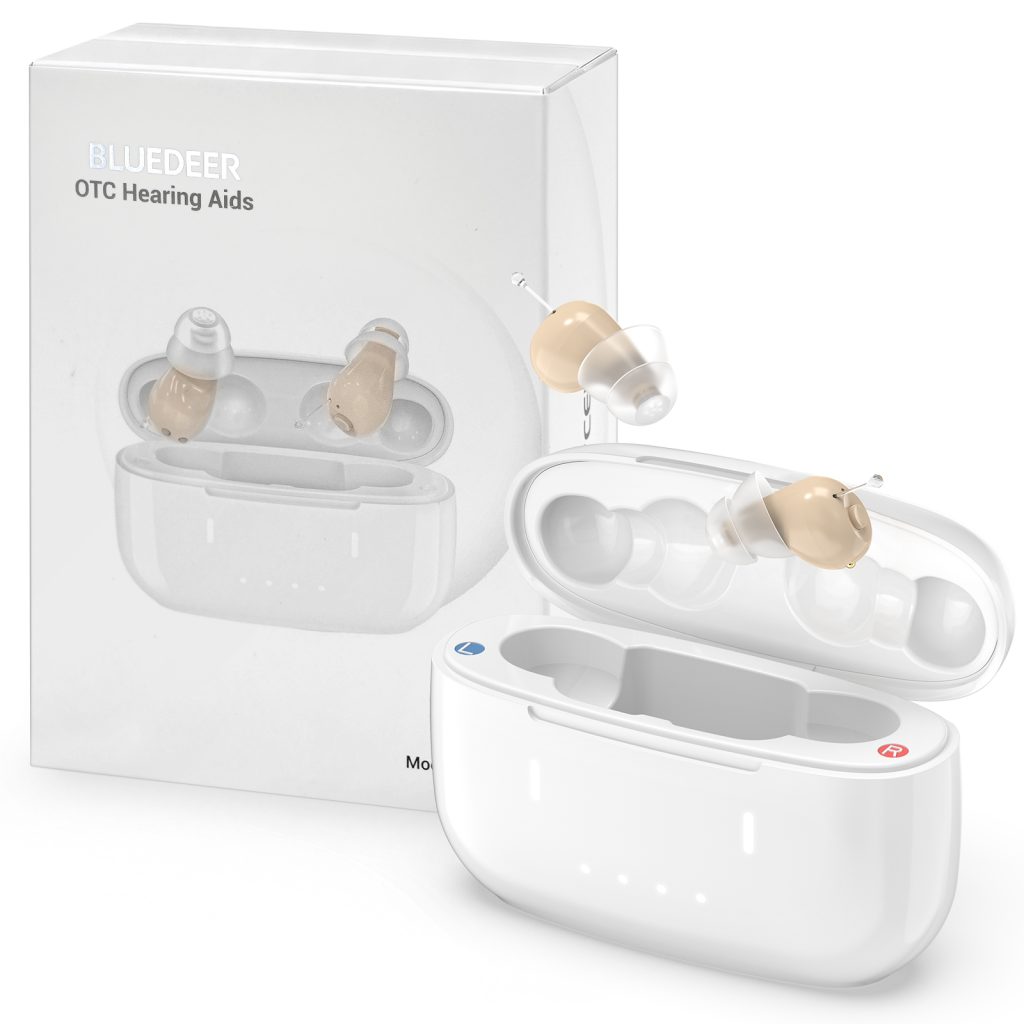
However, modern hearing aids—like those from BlueDeer—are sleek, compact, and stylish, often resembling high-end wireless earbuds. They represent smart technology, not frailty. Changing this perception is crucial: hearing aids today are part of the wellness tech revolution, not a medical compromise.

Another major reason people delay is the perceived cost. Traditional hearing aids sold through clinics can cost thousands of dollars per pair, and many insurance plans don’t cover them.
Fortunately, the rise of direct-to-consumer brands like BlueDeer is transforming accessibility. By removing the middleman, BlueDeer offers high-quality, rechargeable, and AI-enhanced hearing aids at a fraction of traditional prices—making hearing health affordable for everyone.
Hearing loss progresses slowly, so it’s easy to adapt by lip-reading, avoiding noisy restaurants, or relying on subtitles. But these workarounds come at a cost. Over time, untreated hearing loss leads to social withdrawal, fatigue, and even cognitive decline.
Research from The Lancet Commission on Dementia Prevention found that untreated hearing loss is one of the top modifiable risk factors for dementia. Early use of hearing aids helps keep the brain active by ensuring it continues processing sound stimuli—a benefit that goes far beyond hearing itself.

The consequences aren’t only physical—they’re emotional. Many BlueDeer users tell us that before getting help, they avoided social events or felt disconnected from loved ones.
Restoring hearing isn’t just about volume—it’s about connection, confidence, and belonging. The sooner people act, the faster they regain those vital parts of life.
Delaying hearing care can make adjustment harder later. When the brain goes long periods without processing sound, it can lose some of its ability to interpret speech clearly, even when amplification is restored.
Early adoption of hearing aids allows the brain to stay “trained” and responsive. With BlueDeer’s adaptive sound technology, users can transition comfortably as their hearing needs evolve—without losing clarity or comfort.
Waiting to treat hearing loss doesn’t save you time or money—it costs you both. From missed opportunities to potential cognitive decline, the risks of delay are real.
The good news? It’s never too late to start. With BlueDeer’s affordable, discreet, and advanced hearing aids, you can take control of your hearing health today—because every moment of sound matters.
Why does bone conduction work for some people and not others? Usually it comes down to fit, expectations, and setting — here is a 3-step check.
Why must bone conduction sit against your ear? Because it sends sound through bone, not air — and a gap breaks the signal. Here’s the simple test.
Hearing aids whistling? Here’s what causes hearing aid feedback — from a loose fit to earwax buildup — and practical fixes that may quiet it down.
Learn how to clean and maintain your hearing aids with this complete guide — a 5-minute daily routine, a weekly deep clean, and care tips for bone conduction and rechargeable models.