
Here’s an SEO-optimized English version of the article, restructured for better search engine performance and user engagement while maintaining technical accuracy:
Title: The Ultimate 2025 Guide: How to Choose Hearing Aids That Truly Work
Meta Description: Avoid costly mistakes with our expert-backed hearing aid buying guide. Discover smart selection strategies, decode technical specs, and learn post-purchase care tips for optimal auditory health.
Key Decision Factors for Modern Hearing Solutions
1. Technical Capabilities & Brand Selection
Prioritize brands with proven acoustic research capabilities and patented noise-reduction technologies. Established manufacturers investing in R&D typically offer:
- Advanced DSP chips with 64+ processing channels
- AI-powered environmental adaptation systems
- Customizable frequency response curves
Avoid: “Too-good-to-be-true” deals under $300, which often use outdated analog amplification.
2. Noise Management & Sound Quality
Look for these critical features in 2025 models:
- Intelligent noise segmentation (reduces background interference by 15dB+)
- Directional microphone arrays (enhances speech clarity in crowded spaces)
- Tinnitus masking technology (for users with concurrent ringing sensations)
Pro Tip: Request real-world testing in coffee shops or busy streets during trial periods.
3. Professional Fitting Services
Mandatory requirements for effective usage:
- Comprehensive audiometric testing including pure-tone thresholds and speech recognition assessments
- 3-phase adaptation protocol (initial fitting + 1/3/6 month adjustments)
- Real-ear measurement verification for customized amplification
Red Flag Alert: Avoid retailers promoting “one-size-fits-all” solutions.
2025 Buyer Protection Guide
1. Identify Outdated Technology
Simulated hearing aids (not actual hearing aids):
- Only have volume knobs without frequency adjustment
- Amplify all sounds indiscriminately
- May accelerate hearing deterioration
2. Verify Credentials
Essential compliance markers:
- Medical device registration certification (Class II医疗器械 in China)
- FDA clearance/CE marking for international brands
- Nationally certified audiologists’ participation in fitting
3. Post-Purchase Support
Reputable providers should offer:
- Minimum 3-year warranty with free adjustments
- Emergency loaner devices during repairs
- Remote programming via manufacturer apps
Smart Selection Strategies
By Hearing Loss Level
| Condition | Recommended Features | Price Range |
|---|---|---|
| Mild (20-40 dB) | Open-fit RIC style, Bluetooth | 800−800-800−1,500 |
| Moderate (41-70 dB) | 16+ channel processing, rechargeable | 1,500−1,500-1,500−3,000 |
| Severe (71+ dB) | High-power BTE, wireless streaming | $3,000+ |
Special attention should be paid to special groups: patients with conductive deafness are preferred to bone conduction, while mixed deafness requires a combination of air conduction + bone conduction dual-modality intervention.

By Lifestyle Needs
- Active seniors: Weather-resistant models with fall detection
- Office workers: Conference mode with voice focus
- Music lovers: Wide dynamic range compression (WDRC) systems
2025 Industry Updates
- New Regulations Effective
- Mandatory professional fitting before purchase (GB/T XXXXX-2025)
- Stricter online sales supervision eliminating unlicensed sellers
- Technological Breakthroughs
- Chinese-developed “Qingluan 1” DSP chips reducing costs by 40%
- Tencent’s open-source fitting algorithms democratizing technology
- Insurance Coverage Expansion
- Basic models included in public health insurance
- HSA/FSA eligible devices in the U.S. market
您可能对此感兴趣…
您的购物车目前是空的!
商店新品
-
 测试产品$0.00
 -
Product on sale
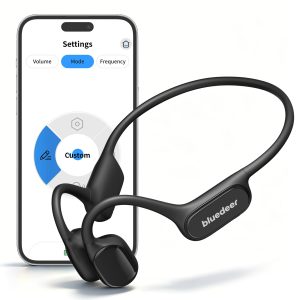 F2H PRO Smart Bone Conduction Sound AmplifierOriginal price was: $439.90.$369.90Current price is: $369.90.
 -
Product on sale
 BlueDeer Upper Arm Blood Pressure MonitorOriginal price was: $299.99.$199.99Current price is: $199.99.
 -
Product on sale
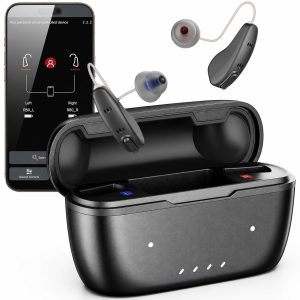 BlueDeer OTC RIC Hearing AidOriginal price was: $799.00.$499.00Current price is: $499.00.
