The Overlooked Connection Between Hearing and Brain Health
Explore how hearing and brain health work together—and why comfortable hearing support matters more than ever.
Why Hearing Matters More Than You Think
When people think about hearing, they usually think about their ears.
But hearing is more than hearing sounds—it helps us stay connected to conversations, relationships, and everyday life.
As we age, hearing experiences may change gradually, making communication feel more tiring than before.
That is why hearing health is receiving increasing attention in healthy aging discussions.
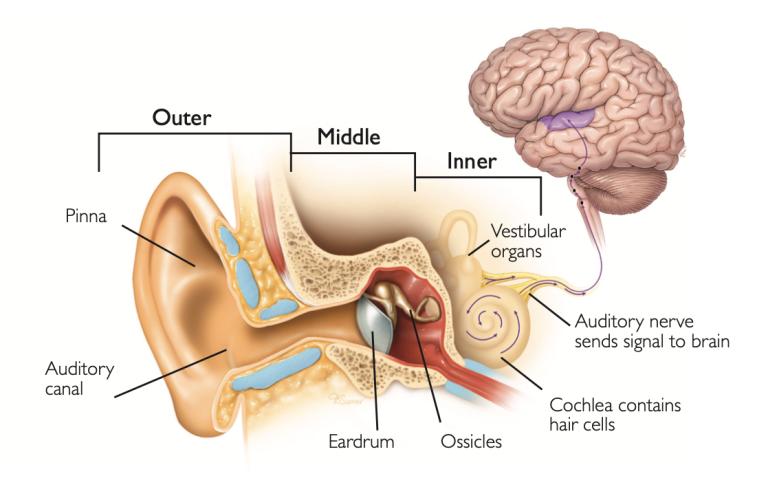
Hearing Starts in the Ears—Understanding Happens in the Brain
Your ears collect sound.
Your brain processes meaning.
That entire process happens in milliseconds.
You do not simply hear words—you recognize voices, interpret emotions, and respond naturally.
Sound → Ear → Brain → Understanding
Expert Explanation: Bone Conduction Listening Concepts
Watch an educational explanation of how sound may travel through different listening pathways.
- Source: Educational video from Doctor Cliff, AuD.
Bone conduction works differently from traditional listening approaches by transmitting vibrations through an alternative pathway instead of relying only on air conduction.
Signs Your Hearing May Need More Attention
Many hearing changes happen gradually.
Some people notice:
✓ Turning the TV volume higher
✓ Asking others to repeat
✓ Feeling tired after conversations
✓ Missing words in noisy places
✓ Avoiding group conversations
Designed for Comfortable Everyday Listening
Why Some Users Prefer Open-Ear Designs
• Lightweight experience
• Rechargeable convenience
• Open-ear wearing style
• Easy daily operation
Final Thoughts
Hearing affects more than sound.
It supports connection, participation, and everyday experiences.
Understanding hearing health earlier can help people make more informed choices over time.