
Why Identical Tech Yields Wildly Different Outcomes in Berlin, Beijing, and Boston
The 2022 FDA ruling catapulted over-the-counter (OTC) hearing aids into the mainstream, promising affordable hearing care for millions. Yet two years later, global adoption rates reveal a stark divide: 43% of Berlin seniors abandon devices within 6 months, while Silicon Valley engineers tweak settings via smartphone apps with 92% satisfaction. Here’s how culture, infrastructure, and policy shape the OTC revolution’s uneven impact.
🌍 The Policy Patchwork: Three Worlds of Access

United States: The DIY Frontier
- Regulatory Catalyst: FDA’s 2022 rule enabled direct consumer access to devices for mild-to-moderate hearing loss.
- Market Explosion: OTC devices now average **1,600/pair∗∗(vs.1,600/pair** (vs. 1,600/pair∗∗(vs.4,500 for prescription aids), capturing 15% market share by 2024.
- Tech-Savvy Win: Self-fitting aids (e.g., Bose SoundControl) use AI-guided smartphone calibration, favored by 78% of users under 65.
European Union: The Compliance Maze
- CE Mark Hurdles: EU Medical Device Regulation (MDR) requires clinical validation, delaying launches by 9–12 months vs. U.S. equivalents.
- Senior Struggle: 43% of German users over 75 quit due to interface complexity—despite Germany’s eHealth Act reimbursing OTC devices.
Asia: Culture vs. Convenience
- China’s “Silver Economy” Experiment: OTC pilot zones report 40% adoption growth, yet nationwide penetration languishes below 5%. Cultural stigma deters 68% of seniors from acknowledging hearing loss.
- India’s Infrastructure Gap: With only 12% of districts having audiology clinics, tele-kiosks bridge access—but 5G blackspots cripple functionality.
📊 Global OTC Efficacy Scorecard
Region Avg. User Satisfaction Primary Barrier U.S. 85% (<65 age group) Insurance gaps EU 57% Tech literacy China 61% Cultural stigma
1. The Digital Divide
- App Dependency: Self-fitting OTC models require smartphone proficiency—a barrier for 74% of EU users over 80 (University of Copenhagen, 2024).
- Offline Alternatives: Brazil’s Farmácia Ouvir program trains pharmacists to fit OTC aids, boosting senior retention by 58%.
2. Cultural Perception Gaps
- Germany: 52% associate hearing aids with “frailty,” preferring invisible models despite reduced functionality.
- Japan: “Hearing wellness” marketing reframes devices as lifestyle tech, doubling under-60 adoption since 2023.
3. Support Ecosystem Deficits
- U.S. Disparity: Brands like Jabra Enhance offer 24/7 telehealth, while budget devices lack support—triggering 33% return rates (FDA 2024 data).
- India: Only 28% of OTC buyers receive setup guidance, causing 41% to misuse devices (WHO hearing health survey).
🛠 Proving Ground: 3 Global User Cases
✅ Case 1: San Francisco Tech Executive (Mild Loss)
- Device: Self-fitting OTC with Bluetooth/AI noise filtering
- Outcome: 92% satisfaction via monthly app auto-adjustments
- Key Enabler: High digital literacy + corporate health stipend
⚠️ Case 2: Berlin Retiree (Moderate Loss)
- Device: Same tech as Case 1
- Outcome: Abandoned after 3 months; “Frustrating beeps, no local help”
- Critical Gap: No geriatric-focused user training
❌ Case 3: Rural India (Moderate-Severe Loss)
- Device: Basic preset OTC
- Outcome: Wrong fit exacerbated tinnitus; now distrusts all hearing tech
- System Failure: No professional screening pre-purchase
🔍 Self-Check: Is OTC Right for You?
Answer these before buying:
- Hearing Profile: Have you confirmed mild-to-moderate loss via professional test (covered by Medicare/WHO programs)?
- Tech Comfort: Can you troubleshoot Bluetooth pairing or app errors alone?
- Support Safety Net: Does the brand offer:
- ≥30-day return policy?
- Live expert support (phone/video)?
- Local service partners?
- Lifestyle Fit: Need noise cancellation for cafes? Water resistance for gardening?
🚨 Red Flags to Avoid
- Brands skipping FDA/CE certification
- “One-size-fits-all” presets without volume control
- No user manuals in your native language

The Verdict: Cautious Optimism
OTC hearing aids are revolutionary—for the right user. They democratize access for tech-comfortable populations with standardized hearing profiles. Yet globally, success hinges on:
- Policy Innovation: Germany’s hybrid “OTC + audiologist voucher” model shows promise.
- Inclusive Design: Brazil’s pharmacy-based fitting proves analog support saves digital adoption.
- Cultural Shifts: Japan’s “hear-tech” rebranding dismantles stigma.
As Dr. Frank Lin (Johns Hopkins) notes:
“The device is just 20% of the solution. 80% is matching it to human context—and that’s where we’re failing globally.”
Authoritative English Sources:
- U.S. FDA OTC Hearing Aid Final Rule
- WHO World Report on Hearing
- EU Medical Device Regulation (MDR)
- JAMA: OTC Hearing Aid Outcomes in Seniors
- University of Copenhagen: Geriatric Tech Adoption Barriers
您可能对此感兴趣…
您的购物车目前是空的!
商店新品
-
 测试产品$0.00
 -
Product on sale
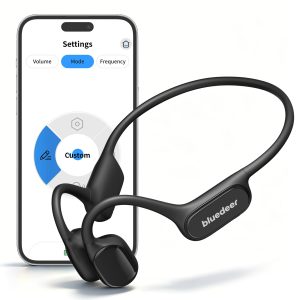 F2H PRO Smart Bone Conduction Sound AmplifierOriginal price was: $439.90.$369.90Current price is: $369.90.
 -
Product on sale
 BlueDeer Upper Arm Blood Pressure MonitorOriginal price was: $299.99.$199.99Current price is: $199.99.
 -
Product on sale
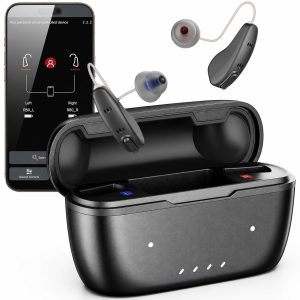 BlueDeer OTC RIC Hearing AidOriginal price was: $799.00.$499.00Current price is: $499.00.
