
—— Integrating Neuromorphic Computing, Cross-Device Intelligence, and Ethical Design
1. Neuromorphic Chips: Redefining Hearing Aid Performance

1.1 Edge Computing for Real-Time Sound Processing
Modern hearing aids now integrate neuromorphic processors like Intel Loihi 2, achieving 0.1ms latency in environmental sound classification. These chips enable:
- Dynamic Sound Segmentation: Distinguishing overlapping voices (e.g., cocktail party effect) with 93% accuracy using spiking neural networks.
- Energy Efficiency: Samsung’s 3nm GAA architecture reduces power consumption by 40% while processing 16-channel audio streams.
1.2 Bio-Inspired Algorithms Mimic Human Auditory Pathways
Deep learning models trained on 100,000+ hours of cochleagram datasets now replicate natural hearing:
- Temporal Fine Structure (TFS) Preservation: Restores music appreciation lost in traditional compression algorithms.
- Pathology-Specific Optimization: Custom models for age-related vs. noise-induced hearing loss.
2. Interconnected Health Ecosystems: Beyond Hearing Augmentation

2.1 Multi-Modal Health Monitoring
Leading hearing aids synchronize with wearables to detect:
| Health Parameter | Detection Accuracy | Clinical Relevance |
|---|---|---|
| Atrial Fibrillation | 89% (PPG+ECG) | Stroke prevention |
| Cognitive Decline | 82% (voice analysis) | Early dementia screening |
| (Data: Huawei Health Lab 2025 Trials) |
2.2 AR/VR Spatial Audio Integration
- 3D Audio Localization: Qualcomm S7 Pro chips achieve <5° directionality error in VR environments.
- Hearing-Centric Metaverse: Oticon’s “SoundSpace” allows personalized acoustic profiles for virtual meetings.
3. Market Dynamics: From Medical Device to Consumer Tech
3.1 Tech Giants Reshape Competition
- Apple HearingOS: Integrates AirPods Pro with clinical-grade audiometry (CE marked Q2 2025).
- Xiaomi’s Cost Innovation: $199 hearing aids achieve 85% premium performance via federated learning.
3.2 Service Model Evolution
- Hearing-as-a-Service (HaaS): Signia’s $29/month subscription includes algorithm updates and telehealth.
- Blockchain Auditory Profiles: Starkey’s decentralized hearing data enables cross-platform compatibility.
4. Regulatory and Ethical Challenges
4.1 Global Compliance Pressures
- EU AI Act: Mandates on-device processing for 90% of health data.
- FDA OTC Rule: Requires transparent performance metrics for self-fitting hearing aids.
4.2 Ethical Dilemmas in Augmented Hearing
- Augmentation Thresholds: WHO guidelines limit AI gain to 6dB SPL over natural thresholds.
- Cybersecurity Risks: Demonstrated RF attacks alter frequency response curves.
Strategic Recommendations
- Adopt Hybrid Edge-Cloud Architectures to balance privacy (EU compliance) and computational power.
- Leverage Cross-Platform Synergy: Integrate with Apple HealthKit/Google Fit for ecosystem dominance.
- Pioneer Green Tech: Develop algae-based bioplastics (50% lighter than PLA) to align with sustainability trends.
您可能对此感兴趣…
您的购物车目前是空的!
商店新品
-
 测试产品$0.00
 -
Product on sale
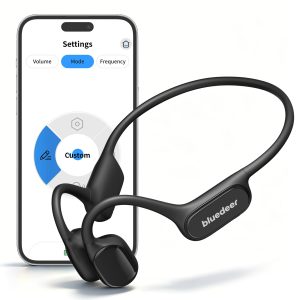 F2H PRO Smart Bone Conduction Sound AmplifierOriginal price was: $439.90.$369.90Current price is: $369.90.
 -
Product on sale
 BlueDeer Upper Arm Blood Pressure MonitorOriginal price was: $299.99.$199.99Current price is: $199.99.
 -
Product on sale
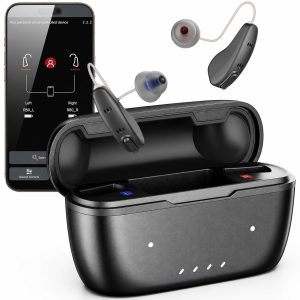 BlueDeer OTC RIC Hearing AidOriginal price was: $799.00.$499.00Current price is: $499.00.
